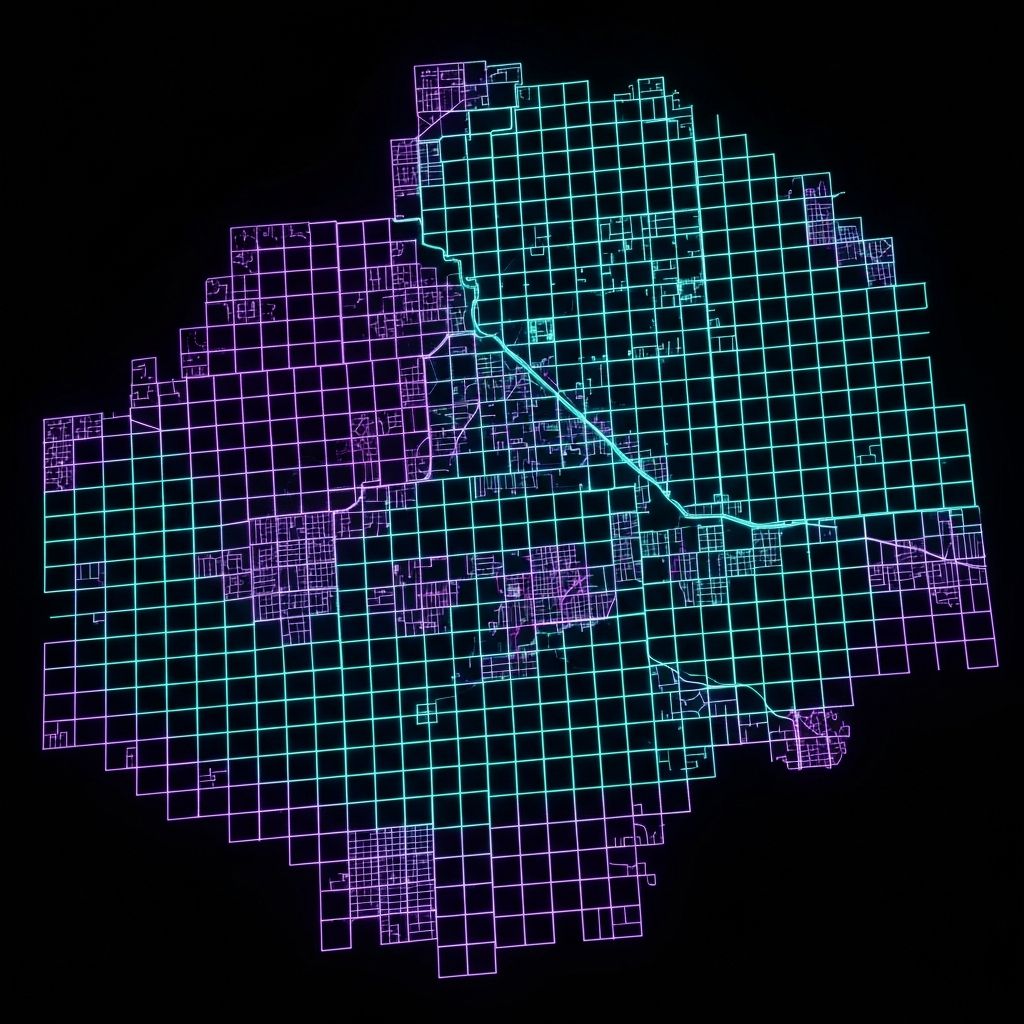
The Practice of Cyber Cartography
Cartography is the act of making the invisible legible. In its traditional form, it transforms three-dimensional terrain into two-dimensional representation, enabling navigation and collective orientation. Cyber cartography extends this practice into the domain of networked and digital space — territories that have no physical location but are experienced with all the vividness of place.
The Nova Atlas is not a technical reference. It does not map servers, cables, or IP address ranges. Instead, it maps the phenomenal landscape of digital experience: the districts of meaning and habit that form around particular practices, the constellations of symbol and reference that orient users in complex information environments, and the mythological territories that exist only in the shared imagination of networked communities.
This kind of mapping has deep precedents in the history of cartography. Medieval mapmakers drew imagined lands at the edges of their known worlds, not from ignorance but from a recognition that maps serve cultural as well as navigational purposes. The Nova Atlas operates in this tradition — using the conventions of cartographic representation to give form to experiences that resist conventional description.
Orientation Systems in Digital Space
Orientation in digital space requires different skills than orientation in physical environments. There are no cardinal directions, no topographic features, no sensory cues to indicate location or distance. Yet experienced navigators of complex digital environments develop robust orientation systems — sets of conceptual landmarks that allow them to know where they are, where they have been, and where they are heading.
The Nova Atlas documents twelve such orientation systems, each drawing on a different conceptual vocabulary: astronomical metaphor, architectural form, ecological pattern, mythological narrative, and others. Each system has advantages and limitations; each is suited to navigating particular kinds of digital terrain.